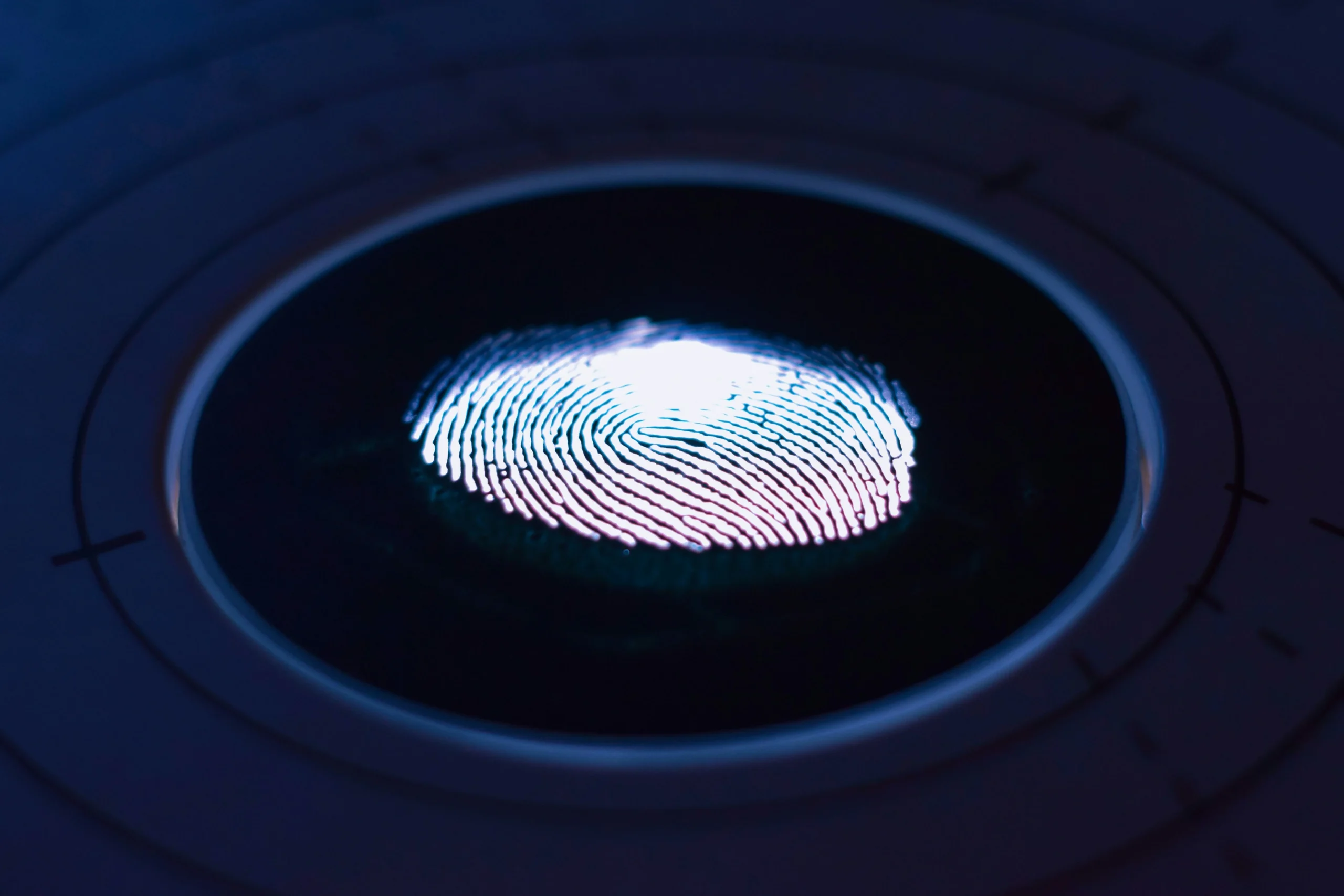
Biometric timekeeping can help employers improve punch accuracy and reduce buddy punching, but it also introduces privacy and compliance obligations that vary by state.
Some states have laws that specifically address biometric information collection, while others address biometric data through broader legislation. Businesses considering a biometric time attendance system should understand which rules apply before starting.
Comparing time clock deployment options? Read our guide on biometric vs. traditional badge systems to learn more about how these systems collect data and compare to other options.
Disclaimer: The information in this article is provided for general educational purposes and should not be considered legal advice. Biometric privacy laws vary by state and may apply differently depending on a business’s circumstances. Consult an attorney for guidance on the requirements applicable to your organization.
Which States Have Biometric Privacy Laws?
There is not currently a single comprehensive federal biometric privacy law that governs all employer biometric data collection, so employers often need to look at state-specific rules, including Texas, Illinois, Washington, California, and New York.
Illinois
In Illinois, the Biometric Information Privacy Act (BIPA) addresses the collection, storage, use, and disclosure of biometric identifiers and information, which includes information used by biometric timekeeping systems. Businesses must:
- Provide written notice of biometric information collection.
- Obtain a signed release form from employees before collecting biometric data.
- Publish and follow a schedule for deleting biometric data when employment ends.
- Pay a fine for each negligent or intentional violation. Violations can also result in employees suing their workplace directly.
Under an amendment (Senate Bill 2979), multiple collections of the same biometric data from the same person using the same method (e.g., scanning in every day for work) count as a single violation, not a separate fine per punch.
Texas
Under the Capture or Use of Biometric Identifier (CUBI) Act, employers must inform their employees and get consent before collecting fingerprints, hand geometry, or facial scans for a time clock. Businesses must:
- Give explicit notice and gather employee consent before capturing biometric data for a time clock.
- Exercise reasonable care to protect the collected data.
- Destroy biometric data no more than one year after employment ends.
While the Texas Attorney General can enforce penalties or bring legal action against employers who don’t comply, individual workers can’t directly sue their employer. However, the penalties from the AG can be substantial.
Washington
In Washington State, the collection of biometric identifiers is addressed under RCW 19.375. Unlike Texas and Illinois, the law in Washington does not specifically address time clocks. However, it can still apply.
Under RCW 19.375, businesses must provide a notification and obtain consent before collecting a person’s biometric identifiers for any commercial purpose. However, businesses collecting biometric data for security or internal purposes are exempt. Collecting biometric information for timekeeping purposes generally falls under this exemption. However, because “security and internal purposes” is subjective, complying with RCW 19.375 for timekeeping is generally considered best practice.
California
While BIPA and CUBI were created specifically to regulate biometric data, employee data collection in California is folded into the state’s broader privacy and labor laws.
- Under the California Consumer Privacy Act (CCPA), covered employers must provide a formal “Notice at Collection” informing employees what biometric data is collected and why before they ever scan in.
- Under California Labor Code § 1051, employers may not share employee fingerprints or photos with outside third parties. Because third-party time clock vendors can fall under this rule, businesses may choose to use hardware that processes data locally on the clock or establish strict vendor contracts that ensure the software provider cannot access or misuse biometric data.
New York State
Under New York Labor Law § 201-a, employers cannot require fingerprinting as a condition of employment.
- Employers may offer fingerprint-based timekeeping only as a voluntary option, while also providing an alternative method such as PINs or badges.
- Because the law specifically addresses fingerprinting, employers should confirm with counsel how facial recognition-based timekeeping is treated before making it mandatory.
Other States
Laws regarding privacy and data collection are always evolving. If your state doesn’t currently have biometric privacy laws, that may change in the future.
Even if your state doesn’t have specific legislation on biometric data collection, it’s important to think about how you collect and store information.
- Explain what the system collects. Systems vary, and they don’t all work the same way. VIDIX biometric time clocks convert fingerprints into encrypted data templates rather than storing the original fingerprint image or facial scan itself in the clock or software.
- Communicate why you’re collecting biometric data. Biometric credentials are used to simplify timekeeping, ensure accuracy, and prevent fraud.
- Be transparent about data handling. Explain where biometric data is stored, who can access it, how it’s encrypted, and how long it’s retained.
- Establish a data deletion policy. Determine how long you need to retain data and what happens after an employee leaves the organization.
Did you know? Most modern biometric time clocks don’t store raw images of actual fingerprints or facial scans. Instead, they encrypt the scans using mathematical templates or vector hashes. In other words, the original biometric data is converted into data that no longer resembles a real facial or fingerprint scan. Even though encryption reduces privacy risks, laws may still treat these mathematical templates in the same way as the original scan.
Implementing Biometric Time Tracking for Multi-State Workforces
If your business has locations, remote workers, or field staff across state lines, managing different compliance rules per site can make HR policies more complex. To streamline implementation and reduce risk, follow these guidelines.
- Adopt the strictest standard across your company. Rather than managing different rules for each location, many multi-state employers apply the strictest state policies (such as Illinois BIPA’s written consent and public deletion schedules) across their entire workforce.
- Establish accommodations. Providing a non-biometric fallback option (such as an RFID badge or PIN code) accommodates employees with privacy concerns or accessibility needs, without halting payroll operations.
- Connect data deletion schedules to your HR offboarding process. During offboarding, make sure you have a protocol for erasing biometric profiles within your policy’s timeline.
Simplify Biometric Timekeeping with VIDIX Labor
If you’re considering a biometric timekeeping system, it helps to understand exactly how the technology will work in your business. VIDIX Labor offers time clock hardware and software with biometric and non-biometric employee authentication options.
If you’re evaluating your current timekeeping setup or looking at new options, talk with our experts about what you need your system to do. We can walk through the hardware, software, integrations, and available authentication options for your organization.
Explore VIDIX Labor time clock systems or contact our team to learn more about the options.